
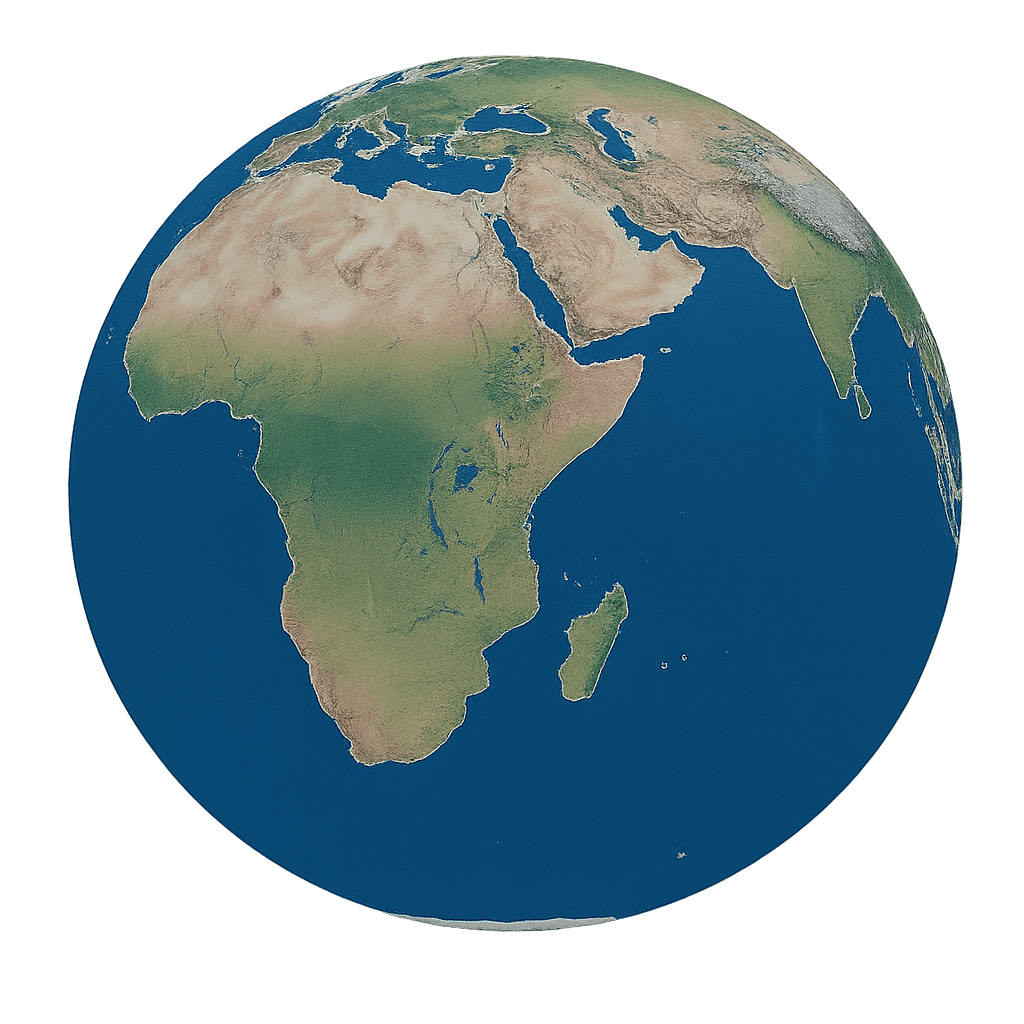
Offshore Energy: TGS and Guinea-Bissau’s PetroGuin have agreed to reprocess more than 11,000 km² of 3D seismic data, sharpening images of potential oil and gas targets and supporting future exploration. Work is due to begin in late 2026, with results expected in late 2027.
AGP Executive Report
Your go-to archive of top headlines, summarized for quick and easy reading.
Note: AI summary from news headlines; neutral sources weighted more to help reduce bias in the result. Feedback is welcome. Please let us know if you have any comments or suggestions about the AGP Executive Report.
Oil Exploration: PetroGuin has granted TGS rights to reprocess 11,000 km² of seismic data offshore Guinea-Bissau, with work due to start in late 2026. The improved imaging is intended to help assess oil and gas prospects, putting environmental safeguards in focus as exploration planning advances. Forest Climate Finance: Guinea-Bissau joined a regional FAO workshop on readiness for REDD+ funding, which rewards efforts to reduce emissions from deforestation and forest degradation. Ghana shared lessons on building the monitoring systems and community partnerships needed to access this finance.
Black Sea Incident: A Guinea-Bissau-flagged cargo ship sank off Bulgaria after a drone strike, leaving 11 crew members missing. No spill was reported, but the sinking raises concerns about possible marine pollution. Forest Finance: Guinea-Bissau joined a regional workshop on readiness for forest-carbon payments, where Ghana shared how it secured $21.8 million for emissions reductions. Regional Fisheries: Senegal’s fishmeal factories are diverting fish from local markets and face allegations of pollution and unsustainable fishing — concerns with wider relevance to West African coastal communities.
Maritime Safety: Four sailors rescued from the Guinea-Bissau-flagged cargo ship HS Dignity reached Bulgaria’s Varna port after the vessel sank in a drone strike in the Black Sea. Eleven crew members remain missing as search efforts continue; no pollution was reported. Forest Climate Finance: Guinea-Bissau joined a regional workshop in Ghana on preparing to access REDD+ funding for forest protection. Participants discussed forest monitoring, emissions accounting and safeguards; Ghana’s $21.8 million payment for verified emissions reductions was presented as a model.

Maritime Safety: A Guinea-Bissau-flagged cargo ship, the HS Dignity, sank off Bulgaria after a drone strike. Five crew members were rescued and 11 remain missing; reports gave no details of environmental impacts. Forest Finance: Guinea-Bissau joined a Ghana workshop on preparing West African countries to access climate funding for forest protection. Ghana shared its monitoring and emissions-tracking systems, which helped it secure $21.8 million in results-based finance.
Forest Finance: Guinea-Bissau joined four West African countries at a Ghana-hosted workshop on preparing for REDD+ climate finance. Participants discussed forest monitoring, safeguards and carbon accounting needed to qualify for payments. Ghana’s cocoa-forest programme received $21.8 million in 2025, offering a regional example. Coastal Fisheries: In Senegal, fishmeal factories are diverting fish from local markets into animal feed amid falling supplies, pollution concerns and pressure on fishing livelihoods—a warning for coastal communities across West Africa.
Forest Finance: Guinea-Bissau joined a Ghana-hosted workshop with four other West African countries to strengthen forest monitoring and prepare for results-based REDD+ climate funding. Ghana’s experience offers a model: it received $21.8 million for verified emissions reductions after building monitoring, safeguards and reporting systems. Coastal Fisheries: Senegal’s fishmeal factories are drawing fish away from local markets, while pollution and unsustainable fishing have harmed coastal communities. The regional investigation highlights the environmental and food-security costs of turning fish into feed for export.
Climate Finance: Guinea-Bissau took part in a Ghana workshop on REDD+ readiness, where West African countries shared ways to build forest-monitoring systems and qualify for results-based climate funding. Ghana’s $21.8 million payment offers a potential model. Climate Resilience: Oxfam says Guinea-Bissau faces austerity cuts exceeding 4% of GDP, leaving less room to respond to climate and economic shocks as food and fuel pressures mount. Oil Exploration: Chevron plans to expand exploration spending, including on frontier blocks in Guinea-Bissau; the report gives no local details, but any new activity could raise environmental and community concerns. Regional Fisheries: Senegal’s fishmeal industry is diverting fish from local markets and has faced pollution and sustainability complaints, a warning for coastal communities across the region.
Climate and public finances: Guinea-Bissau is among countries facing austerity measures worth more than 4% of GDP, leaving less room to respond to economic and climate shocks, Oxfam warns. Forest finance: Guinea-Bissau joined a West African workshop in Ghana on building the monitoring and governance systems needed to qualify for REDD+ payments that reward forest protection. Oil exploration: Chevron lists Guinea-Bissau among frontier areas for planned exploration investment, raising environmental stakes as the company expands its search for new reserves.
Forest Climate Finance: Guinea-Bissau joined a Ghana-hosted regional workshop on REDD+ readiness, where West African countries discussed forest monitoring, safeguards and systems needed to access climate funding. Ghana’s $21.8 million in results-based payments was held up as a model. Environmental Justice: A civil-society forum ahead of the African Commission’s Dakar session is set to discuss water and sanitation, natural-resource justice and climate-driven migration — issues with direct relevance across the region. Climate Resilience: Oxfam says Guinea-Bissau faces austerity measures exceeding 4% of GDP, warning that spending cuts can leave countries less able to withstand climate and economic shocks. Oil Exploration: Chevron lists Guinea-Bissau among frontier areas targeted for increased exploration spending, though the report provides no details on projects or environmental safeguards.
Environmental Justice: At the African Commission’s NGO Forum in Dakar, held ahead of its 11–20 October session, civil society groups are discussing natural resources, climate-linked migration, water and sanitation, and environmental justice. Forest Finance: Guinea-Bissau joined a Ghana-hosted workshop with representatives from four other West African countries to strengthen readiness for REDD+ climate funding. Ghana’s $21.8 million payment for verified forest-emission reductions was highlighted as a model; FAO says countries need stronger policies, institutions and monitoring systems to qualify.
Forest Climate Finance: Guinea-Bissau joined a West African workshop in Ghana on preparing for REDD+ payments tied to forest protection. Ghana’s $21.8 million payout for verified emissions reductions highlighted the monitoring, safeguards and institutions countries need to qualify. Oil Exploration: Chevron included Guinea-Bissau among frontier areas targeted for increased exploration spending in 2026; the report gave no project details.
Forest Finance: Guinea-Bissau joined a Ghana-hosted regional workshop on REDD+ readiness, sharing ways to strengthen forest monitoring, safeguards and governance to qualify for climate finance. Ghana’s systems helped secure $21.8 million in 2025 for verified emissions reductions, offering a potential model for participating countries. Oil Exploration: Chevron included Guinea-Bissau among frontier areas targeted for exploration and production investment in 2026, a sign of potential pressure to develop new oil resources.
Forest Finance: Guinea-Bissau joined Benin, The Gambia, Guinea and Sierra Leone at a Ghana workshop on building systems to qualify for REDD+ climate payments. Ghana’s experience offers a model: it received $21.8 million in 2025 for verified forest-emission reductions. Oil Exploration: Chevron plans to increase exploration spending in 2026, with Guinea-Bissau among the frontier areas in its portfolio—putting the country’s offshore development plans on the environmental radar.
Forest Finance: Guinea-Bissau joined a Ghana-hosted regional workshop on preparing for REDD+ climate finance. Ghana says years of forest monitoring, safeguards and community engagement helped it secure $21.8 million in 2025 for emissions reductions, offering a practical model for neighboring countries. Coastal Fisheries: Senegal’s expanding fishmeal industry is diverting fish from local markets, with reported pollution and environmental violations adding pressure on fishing communities and food security. The investigation highlights risks relevant to coastal West Africa, including Guinea-Bissau. Oil Exploration: Chevron lists Guinea-Bissau among frontier areas for exploration and production investment, putting environmental oversight in focus as the company expands its plans.
Agriculture and Land: A new analysis of Africa’s farming crisis argues that industrial agriculture can sideline Indigenous ecological knowledge and treat soil as a commodity, calling for farming systems rooted in local stewardship. Forest Finance: Guinea-Bissau joined a Ghana-hosted regional REDD+ workshop, where West African countries shared plans to strengthen forest monitoring and governance to qualify for climate finance. FAO said countries need stronger institutions, policies and technical capacity to track and verify emissions reductions. Oil Exploration: Chevron has included Guinea-Bissau among frontier areas targeted for exploration investment. The company’s plans put the importance of strong environmental oversight in focus, though the report gives no details of local projects or their impacts.
Forest Climate Finance: Guinea-Bissau joined Benin, The Gambia, Guinea and Sierra Leone at a Ghana workshop on preparing for REDD+ funding to reduce deforestation. The countries discussed strengthening forest monitoring, safeguards and governance systems needed to qualify for results-based climate payments. Energy Exploration: Chevron says Guinea-Bissau is among frontier areas in its expanded exploration plans, though the report gives no details on local projects or environmental safeguards.
Forest Climate Finance: Guinea-Bissau joined five West African countries at a Ghana workshop on REDD+, sharing ways to strengthen forest governance and prepare for results-based climate funding. The work includes forest monitoring, emissions baselines and safeguards systems. Oil Exploration: Chevron plans to increase exploration spending in 2026, with Guinea-Bissau among its frontier areas. The report focuses on the company’s investment plans, not the environmental risks or safeguards for exploration.
Community Conservation: A global study of nearly 1,700 reefs found more than a dozen “bright spots” with healthier fish populations than expected under environmental pressure. The researchers point to community-led measures, such as temporarily closing reefs to fishing, as conservation lessons. Exploration Watch: Chevron plans to increase conventional exploration spending in 2026, with Guinea-Bissau among its frontier targets. The expansion puts the environmental safeguards around future exploration in the country in focus.
Exploration Plans: Chevron is increasing its exploration budget and lists Guinea-Bissau among several frontier areas targeted for investment, putting environmental oversight of future projects in focus. Conservation: A global study of nearly 1,700 reefs found more than a dozen “bright spots” with healthier fish populations than expected. Researchers point to community-led measures, such as temporarily closing reefs to fishing, as lessons for conservation.
Sign up for:
Guinea Bissau Environmental News
The daily local news briefing you can trust. Every day. Subscribe now.
Check Your Email!
We sent a one-time activation link to: .
Confirm it's you by clicking the email link.
If the email is not in your inbox, check spam or try again.
Welcome back!
is already signed up. Check your inbox for updates.